Two in five mid-market businesses around the world either currently outsource a back-office process, or plans to in the near future.
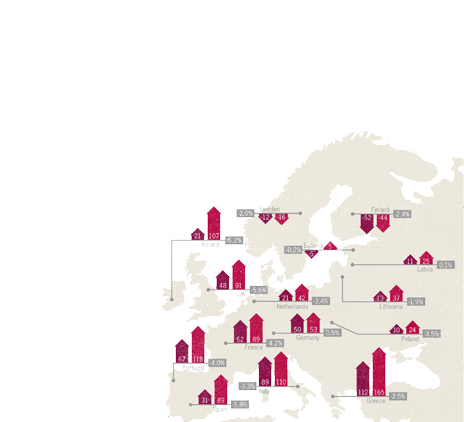
Poland’s economy avoided recession during the 2009 financial crisis,and rebounded strongly in 2010-2011. Poland: dynamism at the heart of Europe.
Polska gospodarka uniknęła kryzysu finansowego w 2009 roku. Po okresie spowolnienia, w latach 2010-2011 powróciła na ścieżkę wzrostu. Polska nie mogła jednak całkowicie uniknąć skutków globalnego kryzysu. Wymiana z Europą stanowi bowiem ponad 80% całego polskiego handlu zagranicznego. Gospodarka rosła więc wolniej w porównaniu do czasu sprzed kryzysu gospodarczego, osiągając w latach 2012 i 2013 tempo około 1,5% rocznie.
The economy expanded by an estimated 4.5% in 2013, the fastest rate since the financial crisis. Oil and gas remain central to the success of the economy – the price of oil remains well above US$100 per barrel and the UAE is thought to have the seventh largest reserves in the world (98bn barrels) – accounting for close to 50% of total exports.
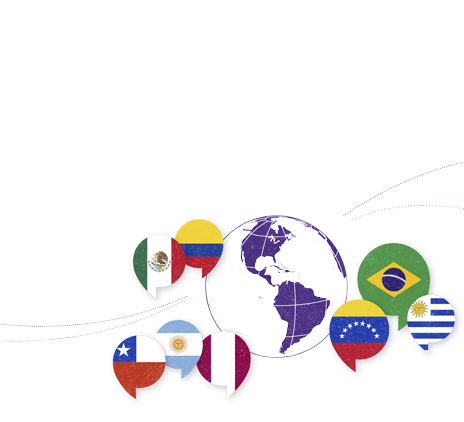
The next 12 months hold a number of opportunities and challenges for Latin America. An estimated 600,000 visitors will descend on Brazil for the FIFA World Cup. They will be joined by television viewers across the globe as Brazil attempts to show the world that despite stadia construction delays and social unrest during the Confederations Cup last summer, it is open for business.
The economy of France continues to suffer as the eurozone crisis continues. Following a deep contraction in 2009, the economy recovered robustly, posting seven consecutive quarters of expansion. However, France has stagnated over the past two years as problems in southern Europe intensified, with growth slowing as unemployment and government debt rise.
These are the results of the Grant Thornton Global Dynamism Index (GDI) 2013, an annual research project designed by the Economist Intelligence Unit, which ranks the development of the business growth environments of 60 of the world's largest economies over the past 12 months.
In 1951, in the aftermath of the Second World War, Belgium, France, Germany, Italy, Luxembourg and the Netherlands came together to found the European Union.